
The investment case
Why REVO Music?
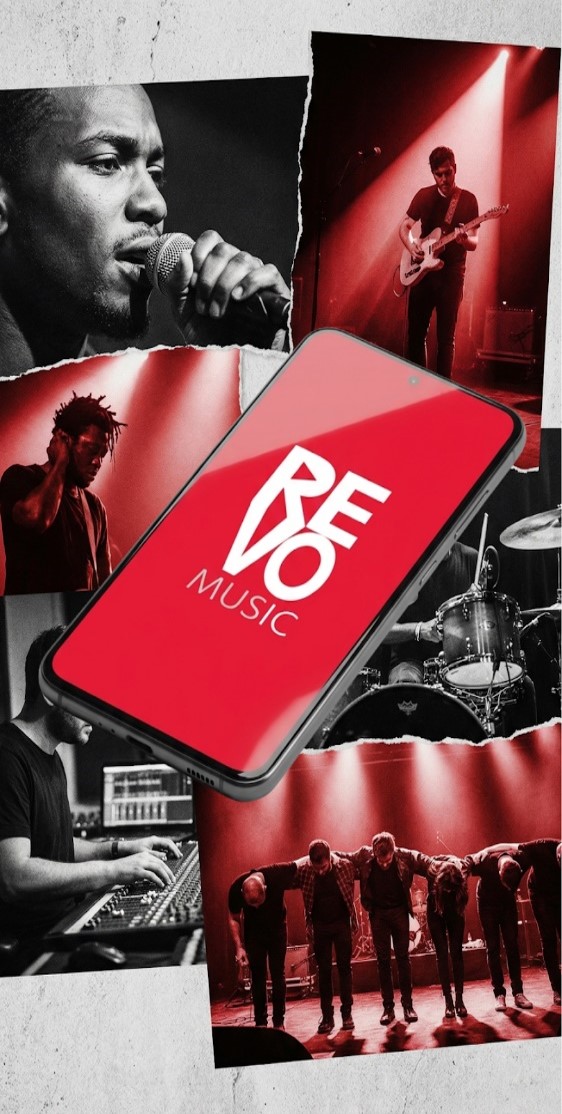
Fan-first music streaming platform built to empower artists. This is how streaming should work.
Music streaming is a $20B+ market built on a model its own creators distrust. Legacy platforms pool every subscription into one global pot, paying artists fractions of a cent while fans have no say in where their money goes. The result: 100,000+ new tracks uploaded daily, an artist base hungry for alternatives, and a generation of fans who want their support to mean something.
REVO was built for this gap. Our fan-pool model allocates a defined share of each subscription to the individual fan's own pool, distributed only among the artists that fan actually streams. Around this core sit multiple revenue engines: per-track verification that keeps our catalogue human in an AI-flooded market, direct fan-to-artist subscriptions (PAS), and The Daily Rush — our print music paper reaching streets in London, New York and Los Angeles.
Distribution is our moat. While competitors buy growth through ads, REVO's Scout network puts commission-based local operators in 600+ cities, recruiting artists scene by scene — and every artist brings their fanbase with them. Non-exclusive by design, REVO doesn't ask artists to switch platforms; it simply becomes the one that pays them properly. That's a proposition artists say yes to — and a market position nobody else occupies.
Revenue engines
The fan-pool model
A defined share of each subscription is allocated to that fan's own pool and distributed only among the artists they actually stream — making a dedicated fan dramatically more valuable to an independent artist than on any pooled platform.
Human-verified catalogue
Per-track verification keeps the REVO catalogue human in an AI-flooded market, and creates a recurring revenue engine alongside subscriptions.
Direct fan-to-artist subscriptions
PAS lets fans back an artist directly, deepening the relationship beyond streaming and adding a second income line for creators.
The Daily Rush
Our print music paper reaches the streets of London, New York and Los Angeles — a physical marketing channel competitors cannot replicate with ad spend.